Introduction
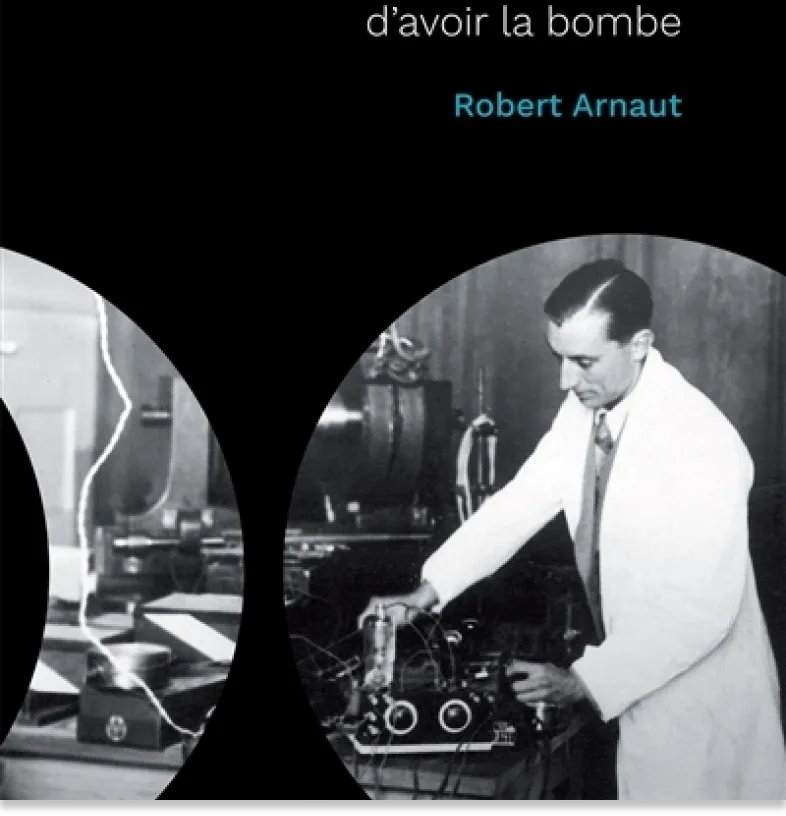
At the crossroads of science, politics and human drama, the documentary series The Race for the Bomb, directed by Robert Arnaut, immerses viewers in one of the most decisive periods of the 20th century: the fierce competition to develop the first atomic weapon.
Broadcast in 1987, this four-episode production retraces the history of the Manhattan Project, the American program that led to the creation of the atomic bomb, while also highlighting the parallel efforts of the Germans, the British, and the Soviets.
This documentary does more than simply retrace events: it examines the moral, scientific, and geopolitical consequences of a discovery that changed the world forever.

A scientific race under pressure
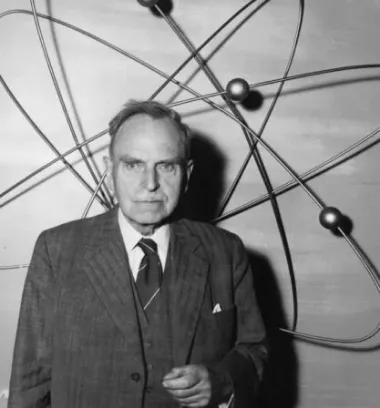
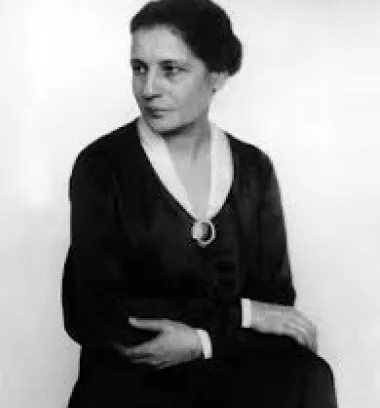
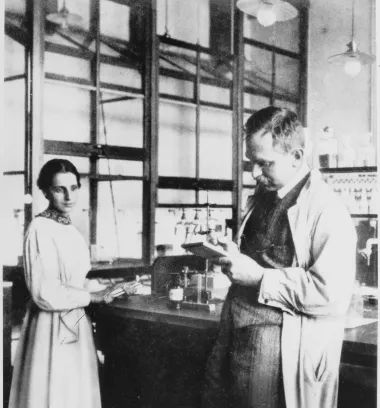
As early as 1939, following the discovery of nuclear fission by Otto Hahn and the interpretation by Lise Meitner, physicists around the world realized that uranium could be used to create a weapon of unimaginable power.
In the United States, European refugee scientists such as Albert Einstein and Leó Szilárd warned President Roosevelt about the risk that Nazi Germany might develop a bomb first.
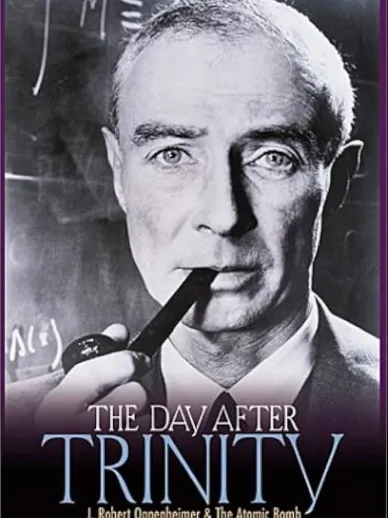
In 1942, the Manhattan Project was launched under the leadership of General Leslie Groves and physicist J. Robert Oppenheimer. Thousands of researchers, engineers, and technicians worked in absolute secrecy at Los Alamos, Oak Ridge, and Hanford.
The documentary shows how this race against time mobilized colossal human and financial resources, while raising unprecedented ethical dilemmas.
Scientists facing their responsibilities
One of the most fascinating aspects of The Race for the Bomb is its exploration of the moral dilemma faced by scientists.
Many of them, such as Oppenheimer, knew they were creating a weapon capable of destroying humanity. Yet, in the context of the Second World War, they believed that this discovery was necessary to stop Nazism.
The documentary gives a voice to direct witnesses, including physicists who took part in the project. Their testimonies reveal their anguish, doubts, and, at times, regrets.
After Hiroshima and Nagasaki, some, like Einstein, expressed their horror at the consequences of their work. Others, like Edward Teller, continued to defend the importance of nuclear research.

The Failure of the Nazi Program
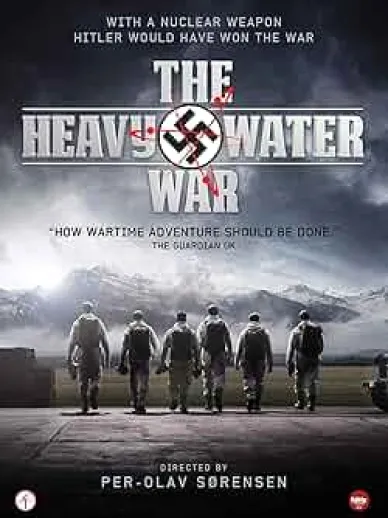
Meanwhile, in Germany, Werner Heisenberg led the Nazi atomic program. But contrary to the Allies’ fears, this project never succeeded.
Several reasons explain this failure: a lack of resources, Allied bombings, but also calculation errors and disagreements among scientists.
The documentary raises a disturbing question: what if Hitler had obtained the bomb first? This hypothesis, explored through archives and testimonies, shows just how much the outcome of the war hung by a thread.

Hiroshima and Nagasaki: The Price of Victory
On August 6, 1945, an atomic bomb was dropped on Hiroshima. Three days later, a second strike hit Nagasaki. In total, more than 200,000 people perished, either instantly or from the effects of radiation.
The Race for the Bomb does not shy away from this tragedy. Through archival footage and survivor testimonies, the documentary reveals the absolute horror of nuclear weapons.
The series also questions President Truman’s decision: was it necessary to drop these bombs to end the war, or was it a message sent to the Soviet Union, already perceived as a threat in the postwar world?

A Complex Legacy
The Race for the Bomb concludes with a reflection on the legacy of the atomic bomb.
On one hand, it brought an end to the Second World War and, paradoxically, contributed to a form of peace through nuclear deterrence during the Cold War.
On the other hand, it opened Pandora’s box: today, several countries possess nuclear weapons, and the threat of total destruction still hangs over humanity.
The documentary reminds us that science is never neutral: it depends on how it is used by humans. The atomic bomb is the most striking example.
The Race for the Bomb is far more than a series about the creation of a weapon: it is a reflection on the human condition, on the power of science, and on the responsibility of researchers in the face of history.