Introduction
Throughout world history, many women have had to fight to exist in societies that left them very little space.
The Ambitious Women, 40 women who shaped history through their determination to exist, written by Virginie Girod, pays tribute to these exceptional women.
A historian and specialist in the history of women and sexuality, Virginie Girod offers here an inspiring overview: forty portraits of women, famous or lesser-known, who dared to break the barriers imposed by their time.
This book is not just a gallery of portraits: it is a reflection on female ambition, long considered inappropriate or even dangerous, and on the constant struggle for recognition. Through these stories, the author gives a voice back to those whom history has often forgotten or caricatured.

A pioneer in a man’s world
Virginie Girod, already known for her work on women in power in Antiquity, seeks here to show that female ambition runs through all eras. She selects forty emblematic figures, from Cleopatra to Oprah Winfrey, including Joan of Arc, Christine de Pizan, Simone de Beauvoir, and Gisèle Halimi.
Through these short portraits, about ten pages each, she illustrates how these women, often silenced by their contemporaries, managed to impose their vision, their ideas, or their talent.
The author does not limit herself to Europe: she also evokes women from Africa, Asia, and the Americas, reminding us that the desire for freedom and recognition is universal.
Women who dared to challenge norms
The common thread of the book is boldness.
In a world where “ambition” is valued in men but condemned in women, these heroines had to scheme, hide, or face public hatred to achieve their goals.
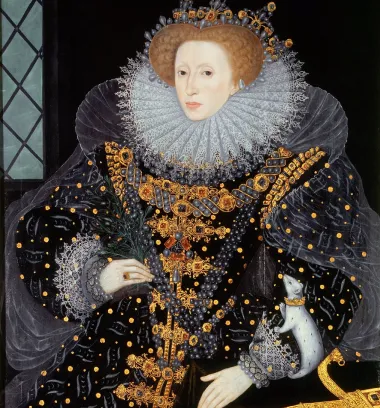
Some, like Cleopatra or Elizabeth I, used political power to assert themselves in male-dominated societies.
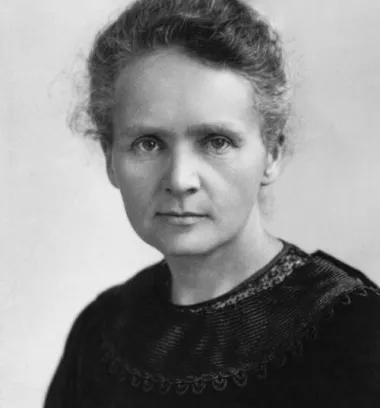
Others, like Marie Curie or Ada Lovelace, revolutionized science by refusing to be confined to the role of assistant.
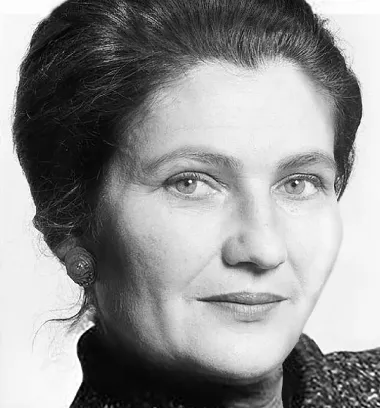
Still others, like Gisèle Halimi or Simone Veil, turned their ambition into a collective struggle for justice, equality, and women’s rights.
Each chapter highlights the cost of this ambition: criticism, defamation, loneliness, or even posthumous erasure. Yet all of them persevered, driven by the same determination: to fully exist, despite everything.
A vivid and committed style of writing
Virginie Girod’s style is both accessible and passionate. She writes as if telling a story by the fireside, without academic jargon, yet with impeccable historical rigor.
Each portrait reads like a short story: it begins with an anecdote, a key moment in the woman’s life, then unfolds her journey, her challenges, and her legacy.
The writing is also infused with palpable emotion: one senses the female solidarity and the author’s admiration for these pioneers. Yet she does not idealize them, also revealing their shadows, doubts, and contradictions.
A plea for female ambition
Through these forty portraits, Virginie Girod invites readers to rethink the notion of ambition.
She reminds us that throughout history, this quality was considered “masculine”, and therefore suspicious in women.
The author writes:
“For men, ambition comes naturally. For women, it is frowned upon.”
This observation becomes the starting point for a broader reflection on how women have had to redefine ambition according to the constraints of their time: sometimes through seduction, sometimes through intellect, and sometimes through political courage.
The book thus shows that female ambition is not only a desire for personal success, but often a quest for collective emancipation.